Why Schools Are Ditching Generic AI Chatbots for Education-Specific Platforms in 2026
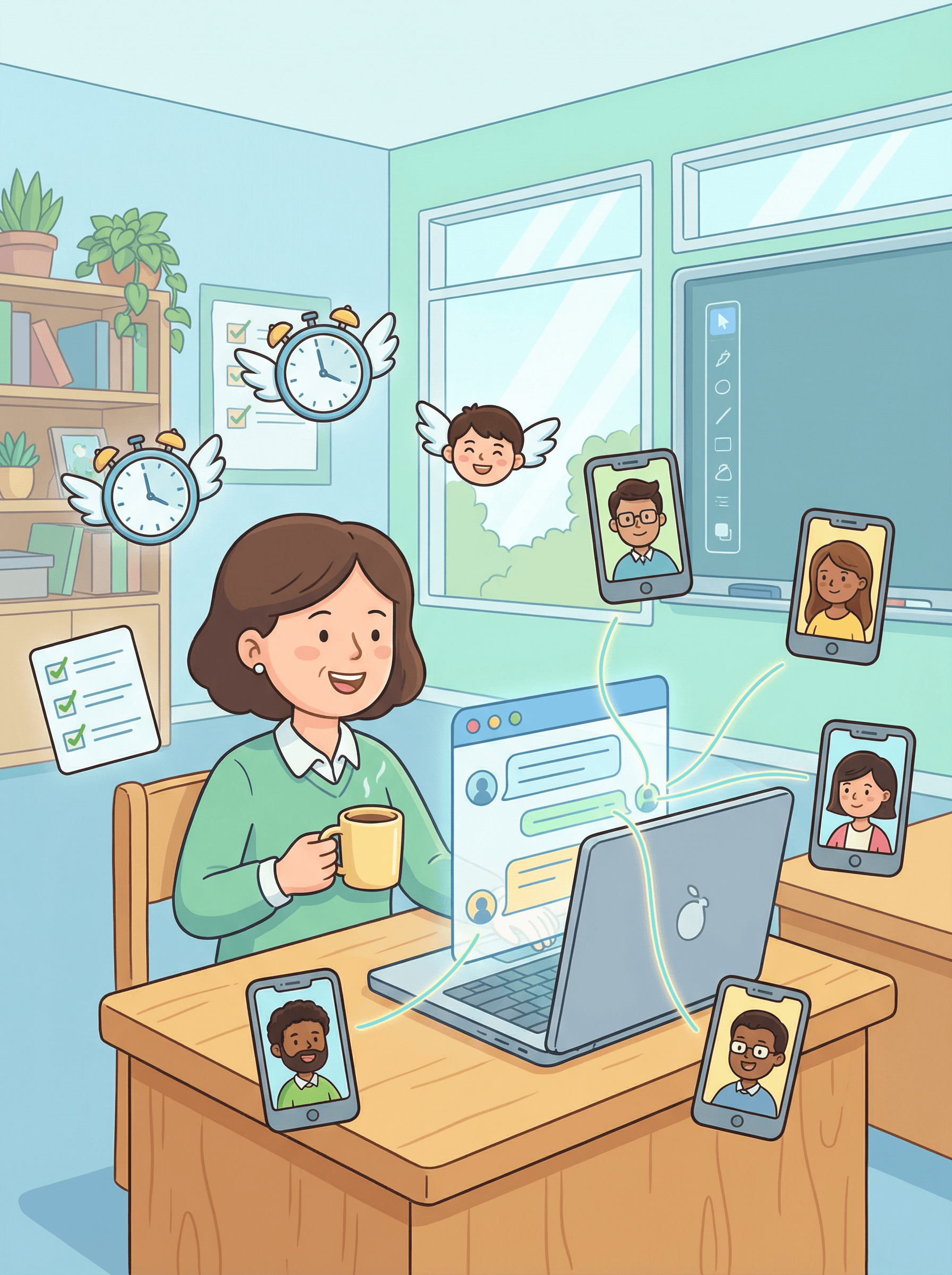
Why Schools Are Ditching Generic AI Chatbots for Education-Specific Platforms in 2026
Introduction
The education landscape is experiencing a seismic shift. By 2026, 86% of education organizations now use generative AI, marking the highest adoption rate of any industry. Yet a critical realization is emerging among forward-thinking schools: not all AI tools are created equal.
While generic chatbots like ChatGPT have captured student attention—with 66% of students relying on it—educators are increasingly recognizing that one-size-fits-all AI solutions fall short of their unique needs. Schools are moving beyond experimentation and toward impact, demanding platforms specifically designed for the educational environment.
This shift represents a fundamental change in how institutions approach AI implementation. Rather than retrofitting consumer AI tools into classrooms, schools are investing in education-specific platforms that understand pedagogy, compliance requirements, parent communication, and student outcomes. Let's explore why this transition is happening and what it means for your school.
The Limitations of Generic AI Tools in Educational Settings
Generic AI chatbots were never designed with classrooms in mind. While they excel at answering questions and generating text, they lack critical features that schools require:
Lack of Educational Context
Generic AI tools don't understand learning objectives, curriculum standards, or individual student progress. They can't differentiate instruction based on a student's grade level, learning style, or prior knowledge. A teacher using ChatGPT to generate lesson plans receives generic content—not materials aligned to their district's curriculum or state standards.
Compliance and Data Privacy Concerns
Schools handle sensitive student data protected by FERPA and other regulations. Generic platforms weren't built with educational compliance in mind. Teachers and administrators worry about data security, student privacy, and whether their information meets legal requirements. This uncertainty creates hesitation in adoption, despite the potential benefits.
No Parent-Teacher Integration
Education doesn't happen in isolation. Parents need visibility into student progress, and teachers need efficient ways to communicate with families. Generic chatbots offer no pathway for meaningful parent engagement—a critical gap when 69% of teachers say AI tools have improved their teaching methods and 55% report having more time for direct student interaction.
Limited Feedback and Assessment Capabilities
While generic AI can grade multiple-choice questions, it can't provide the nuanced, actionable feedback that drives real learning improvement. Education-specific platforms integrate with assessment data, learning analytics, and student performance metrics to offer insights that actually inform instruction.
The Rise of Education-Specific AI Platforms
As schools mature in their AI adoption, they're turning to platforms purpose-built for education. The market is responding: the AI education market reached $7.57 billion in 2025 and is projected to exceed $30.28 billion by 2029, driven largely by institutional adoption of specialized tools.
What makes education-specific platforms different?
Curriculum Alignment
These platforms integrate with curriculum standards, learning objectives, and assessment frameworks. Teachers can generate lesson plans, assignments, and assessments that align with district priorities and state standards—not generic content.
Student-Centric Personalization
Education-specific AI learns individual student needs and adapts accordingly. AI personalization boosts course completion by 70%, far exceeding traditional methods. These platforms track progress, identify gaps, and recommend targeted interventions—all while maintaining compliance.
Integrated Parent Communication
Modern education platforms recognize that parent engagement is essential. They seamlessly connect teachers, students, and parents, enabling real-time updates on progress, behavior, and academic achievements. This transparency builds trust and supports student success.
Compliance by Design
Education-specific platforms are built with FERPA, COPPA, and other regulations embedded from the start. Schools can implement AI with confidence, knowing data privacy and security are prioritized.
Real-World Impact: How Education-Specific AI Improves Learning Outcomes
The numbers tell a compelling story. Schools implementing education-specific AI platforms see measurable improvements:
- AI tools raise passing rates by 15%, demonstrating direct links between AI support and academic success
- Exam scores rise by up to 10% in universities using AI chatbots and guided support tools
- 83% of K-12 teachers use generative AI, primarily for planning, feedback, and content support
These aren't marginal gains. They represent real students earning better grades, completing courses, and building confidence in their abilities.
Beyond test scores, education-specific platforms address teacher burnout—a critical concern as workload increases. By automating routine tasks like grading, attendance tracking, and initial parent communication, teachers reclaim time for what matters most: direct instruction and meaningful student interaction.
The Parent Communication Advantage
One area where education-specific platforms truly shine is parent engagement. Generic AI tools offer no pathway for schools to communicate with families efficiently and at scale.
Education-specific platforms like ClassVox bridge this gap by enabling:
- Real-time progress updates that keep parents informed without requiring manual teacher effort
- Personalized insights about student learning, not generic summaries
- Two-way communication channels that facilitate collaboration between home and school
- Multilingual support ensuring all families can engage, regardless of language background
- Mobile accessibility so parents can stay connected anytime, anywhere
When parents have visibility into their child's progress and can communicate easily with teachers, student outcomes improve. Schools report higher engagement rates, better attendance, and stronger academic performance when parent communication is prioritized.
What to Look for in an Education-Specific AI Platform
If your school is considering moving beyond generic chatbots, here's what to evaluate:
1. Curriculum Integration
Does the platform align with your district's curriculum standards and learning objectives? Can it generate content specific to your grade levels and subject areas?
2. Data Security and Compliance
Is the platform FERPA-compliant? Does it offer transparent data handling practices? Can you verify that student information is protected?
3. Parent-Teacher Communication
Does the platform facilitate meaningful communication between educators and families? Are there built-in tools for sharing progress updates, assignments, and feedback?
4. Analytics and Insights
Can the platform track student progress and provide actionable insights for teachers? Does it help identify students who need additional support?
5. Ease of Use
Can teachers and administrators adopt the platform without extensive training? Is it intuitive for parents as well?
6. Scalability
Will the platform grow with your school or district? Can it handle your current enrollment and support future expansion?
Looking Ahead: The Future of AI in Education
As we move through 2026, the trajectory is clear: schools are shifting from experimentation to implementation, and they're demanding tools designed specifically for education. Generic chatbots will continue to exist, but their role in schools will diminish as institutions recognize the limitations and embrace purpose-built solutions.
The schools leading this transition understand a fundamental truth: education is unique. It requires platforms that understand pedagogy, compliance, parent engagement, and student outcomes. They're investing in education-specific AI not because it's trendy, but because it delivers measurable results.
Conclusion: Making the Smart Choice for Your School
The question is no longer whether to use AI in education—86% of education organizations already do. The question is which AI tools will best serve your students, teachers, and families.
Generic chatbots have their place, but they're not designed for the complexity of modern education. Schools serious about improving outcomes, supporting teacher effectiveness, and engaging parents are choosing education-specific platforms that understand their unique needs.
If your school is ready to move beyond generic AI and implement a solution designed specifically for education, the time is now. Look for platforms that integrate curriculum, protect student data, facilitate parent communication, and provide actionable insights—platforms that treat education as the specialized field it truly is.
Your students, teachers, and families deserve better than one-size-fits-all AI. They deserve solutions built for education, by people who understand education.
Ready to explore how education-specific AI can transform your school? Discover how ClassVox helps teachers, students, and parents collaborate more effectively while leveraging the power of AI. Schedule a demo today and see the difference purpose-built education technology can make.
Stay ahead of the latest trends in AI and education—subscribe to our newsletter for research-backed insights delivered straight to your inbox.
Related Articles
Why Your Kid's School Just Got a Lot Better at Getting Through to You
Discover how automated communication systems are transforming parent-school connections.
Read more →The 3-Minute Call That Can Transform Your Child's School Year
Research shows how positive teacher-parent communication drives academic success.
Read more →