Teachers Are Drowning in Parent Emails. AI Might Be the Lifeline.
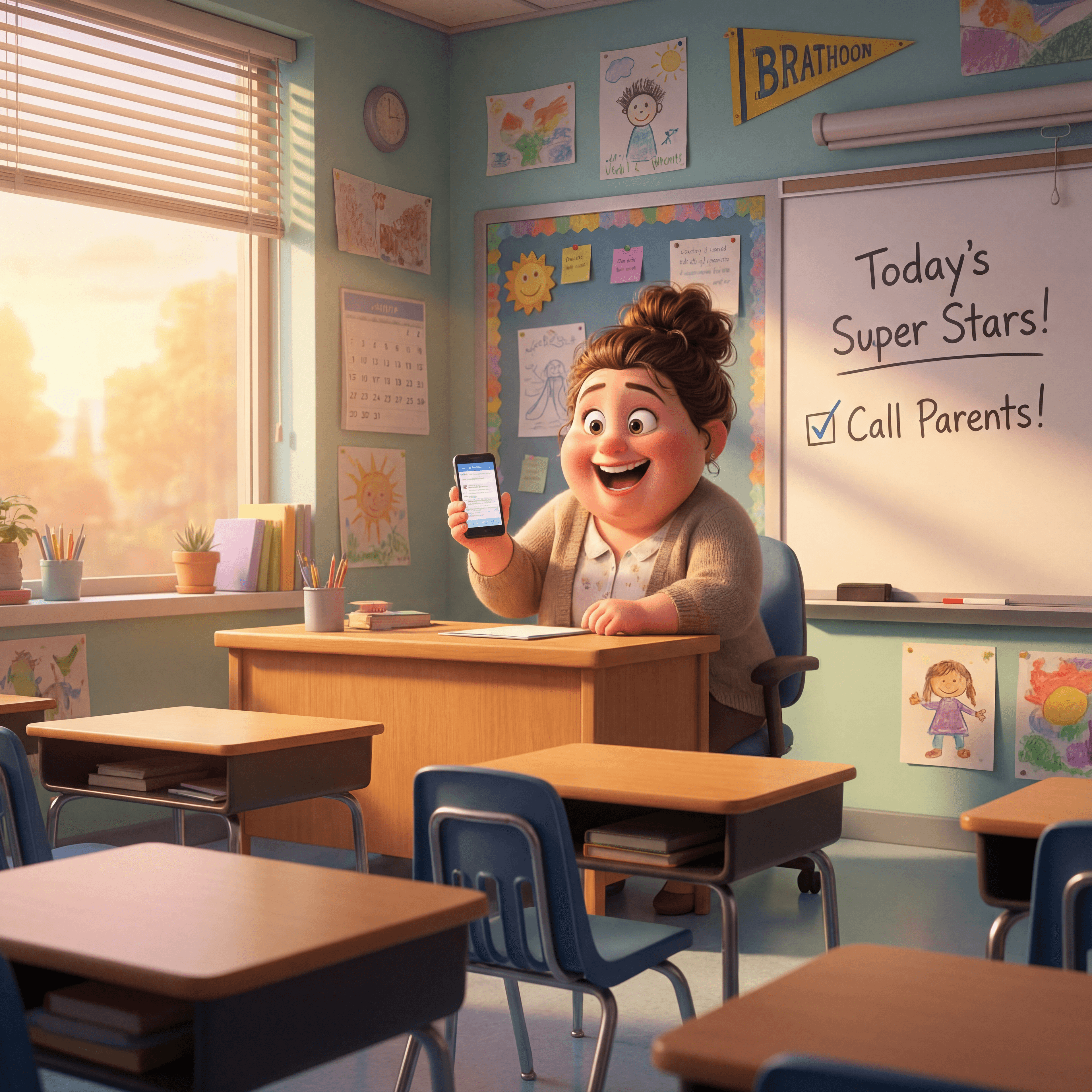
Teachers Are Drowning in Parent Emails. AI Might Be the Lifeline.
Elementary school teachers are working 53 hours a week—seven more than typical professionals—yet 66% say their pay doesn't match the effort. The culprit eating their time? A surprising one: parent communication. Between emails, phone calls, multiple apps, and notes stuffed into backpacks, teachers are repeating the same information across platforms while their planning periods vanish. But a quiet revolution is happening in schools that have discovered how to automate the busywork without losing the human touch.
Here's what forward-thinking districts have figured out—and what every parent and educator should know.
5 Insider Secrets About AI-Powered School Communication
1. The "Quick Email" Is a Time Trap
Teachers spend 30–60 minutes weekly on parent emails, often drafting and redrafting to get the tone just right. Worse, those exchanges usually involve the same handful of parents. Meanwhile, the families who most need information—working parents, non-English speakers, those without reliable internet—get left behind. AI systems flip this by sending consistent, translated messages to every family simultaneously.
2. Multilingual Outreach Finally Works
With 5.3 million English learners in U.S. schools, language barriers have long excluded families from their child's education. Modern AI platforms like TalkingPoints translate messages into 100+ languages using education-specific terminology—so "phonemic awareness" doesn't become gibberish. The result? Ninety-nine percent of families actually receive school communications.
3. Attendance Problems Get Caught Earlier
Schools that automate absence notifications save approximately 100 hours of staff time per year—just from handling 10 daily absences. One 5,000-student district cut manual calling time by 40% while improving attendance outcomes. When families hear about absences immediately, problems surface before they become chronic.
4. Teachers Reclaim Time for What Actually Matters
Here's the real win: Harvard research shows that frequent, positive teacher-family communication leads to 40% higher homework completion rates and 25% fewer behavioral redirections. But overwhelmed teachers can barely manage reactive "problem" calls. When AI handles routine logistics—permission slips, event reminders, lunch balance alerts—teachers gain bandwidth to make the celebratory calls that transform relationships.
5. Human Connection Isn't Replaced—It's Protected
The research is unambiguous: "Showing up to school is a human decision driven by authentic relationships—not AI". The smartest implementations use technology to amplify personal bonds, not replace them. AI manages the administrative noise so teachers can focus on the conversations that require empathy, judgment, and genuine care.
The Numbers That Matter
- 53 hours/week: Average teacher workload
- 100 hours/year: Administrative time recovered through automated attendance calls
- 99%: Families reached when schools use text-first AI systems
- 40%: Increase in homework completion with frequent positive communication
- $15,000–$30,000: Cost to replace a single burned-out teacher
What You Should Do Next
Parents: Ask your school how they're ensuring every family—regardless of language or work schedule—receives consistent communication. Text-based, translated outreach shouldn't be a luxury.
Educators and Administrators: Evaluate AI platforms for FERPA compliance, multilingual accuracy, and integration with your existing student information system. Prioritize systems that default to text messaging for maximum accessibility.
Everyone: Remember the goal isn't automation for its own sake. It's giving teachers back the time and energy to do what they entered the profession to do: connect with kids and families.
The teacher shortage isn't just about pay. It's about impossible workloads. Smart technology won't solve everything—but it might just help keep great educators in the classroom.
Have questions about school communication technology? Reply to this newsletter—we read every response.
Related Articles
Why Your Kid's School Just Got a Lot Better at Getting Through to You
Discover how automated communication systems are transforming parent-school connections.
Read more →The 3-Minute Call That Can Transform Your Child's School Year
Research shows how positive teacher-parent communication drives academic success.
Read more →